


Renovating an Old Farmhouse Through Biophilic Design: My Journey
Updated: Nov 1, 2025
Restoring an old farmhouse is more than just a renovation, it’s a way to reconnect with nature and history while creating a home that breathes.
When I embarked on this journey, I knew I wanted to go beyond aesthetics; I wanted to craft a space that fosters well-being, supports sustainability, and harmonizes with its natural surroundings. This is how I applied biophilic design principles to transform a forgotten farmhouse into a nature-integrated sanctuary.

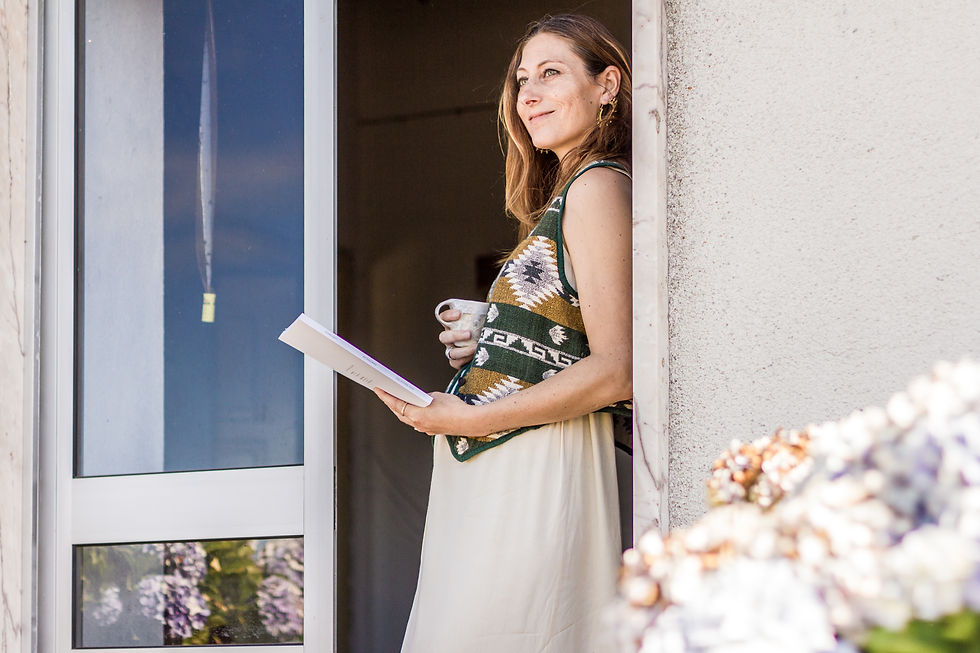
Large windows and doors became an essential feature, framing the stunning Silver Coast scenery like a living artwork.
A Home That Frames Nature
One of the first things I knew I had to get right was the connection between the indoors and the natural world outside. I wanted every room to feel like it was an extension of the landscape, allowing light, air, and greenery to flow freely. Large windows and doors became an essential feature, framing the stunning Silver Coast scenery like a living artwork. From the south-facing living room, the daylight shifts beautifully throughout the day, creating a natural rhythm that mirrors the cycles of the sun.
To amplify this connection, I placed a large mirror in the living area, reflecting both the greenery outside and the play of light within. It was important, however, to avoid harsh glare and overheating during the summer months, so the addition of a pergola or patio overhang is in the works, a small but significant tweak to balance light and comfort.
Inviting Nature Beyond Sight
Nature is not only something we see; it’s something we feel, smell, and hear. To ensure that the home engaged the senses beyond the visual, I incorporated elements that spoke to a deeper connection with the land. The scent of dried lavender fills the bedroom, mingling with the fresh air that drifts in through the open windows. Natural linen curtains, soft to the touch, sway gently, moving with the breeze and filtering sunlight into a warm, golden glow. The air is thick with the sound of birdsong in the mornings, and the scent of herbs from the kitchen garden lingers in the air. These subtle, often subconscious elements are what make a house feel alive.
Over time, I’ve realized that small additions like woven wool and jute rugs, or shelves arranged with natural objects, add depth to a space and make it feel more grounded. Living plants, of course, are at the heart of this philosophy, and I plan to integrate more greenery in areas where the interior could use an extra touch of organic warmth.

Dancing with Light and Air
Light changes everything. I’ve always been drawn to spaces that shift and evolve throughout the day, responding to the passage of time. Skylights and Velux windows were essential additions, allowing the house to breathe with natural daylight.
The home is positioned to capture both sunrise and sunset, reinforcing the natural rhythms of rest and wakefulness. In the evening, warm dimmable lighting complements the natural light, ensuring the transition from day to night feels gentle rather than abrupt.
Beyond light, airflow was another critical aspect. Old stone farmhouses often struggle with ventilation, so I ensured that windows were designed to facilitate fresh breezes moving through the house. Tipping windows became an ideal solution, letting air circulate without sacrificing insulation. The thick stone walls, a relic of the past, work as nature’s own climate control, keeping the house cool in summer and holding in warmth during winter. As the colder months approach, the addition of a wood-burning stove is not just for warmth, but for the natural, radiant comfort that only fire can bring.

The Quiet Presence of Water
There’s something deeply calming about the presence of water in a home, even when it’s not immediately visible.
The sound of water is a natural soother, and having the bathroom adjacent to the bedroom means that the soft murmur of running water becomes part of the home’s ambience.
Over time, I’ve started to dream of adding a small pond or natural pool to the outdoor space, something that would enhance the house’s relationship with the landscape while bringing an added layer of tranquility.
Materials that Hold Stories
More than anything, I wanted the house to feel honest, to embrace its own history rather than erase it. That meant preserving the original stone walls and wooden beams, letting them tell their own story. Ethnicraft’s wooden furniture became the perfect complement, blending seamlessly into the rustic textures of the home.
For the floors, I chose microcement, a material that mimics natural stone while offering sustainability benefits. In the mezzanine, cork flooring provides warmth underfoot, offering both insulation and a connection to Portugal’s rich tradition of cork craftsmanship.
Every material, from linen curtains to handwoven textiles, was chosen with the intention of deepening the home’s relationship with the earth.
Embracing Imperfection and Organic Forms
I’ve always been drawn to spaces that feel natural, and part of that comes from embracing imperfection. I incorporated biomorphic design by bringing in furniture and elements that echo the organic curves of nature tables with live edges, soft, undulating textiles, and vertical wooden slats in the living area that mimic the trunks of a forest.
These subtle nods to nature’s patterns create a sense of harmony without overwhelming the space.

Balance Between Openness and Retreat
A home should offer both openness and refuge. The large windows and mezzanine give a feeling of expansiveness, but I also wanted spaces that felt intimate and enclosed. The mezzanine, with its cozy nook, became the perfect place to retreat with a book or simply sit and reflect. In the bedroom, the east-facing window welcomes the first light of the morning, reinforcing the body’s natural rhythm. A sense of mystery was also woven into the home’s design, with winding layouts that invite exploration and hidden corners that offer a sense of discovery. These small touches create a home that unfolds over time, rather than revealing itself all at once.
A Living, Breathing Home
This renovation wasn’t just about restoring an old farmhouse; it was about creating a space that feels alive, that moves with the seasons and breathes with the land.
Biophilic design transformed this house into something more than just a structure; it became a living organism, a place that nurtures and supports well-being.
If there’s one lesson I’ve learned through this process, it’s that nature should always lead the way. Rather than forcing a design onto a space, it’s about listening to the wind, the light, the textures, and the way the house itself wants to exist.
If you’re considering integrating biophilic principles into your own home, start with observation. Watch how the light moves through your space, feel the textures under your fingertips, and bring in elements that make you feel connected to the earth. Let your home be a reflection of the rhythms of nature.

Comments